

How to Sell Your Home in Geneva, IL
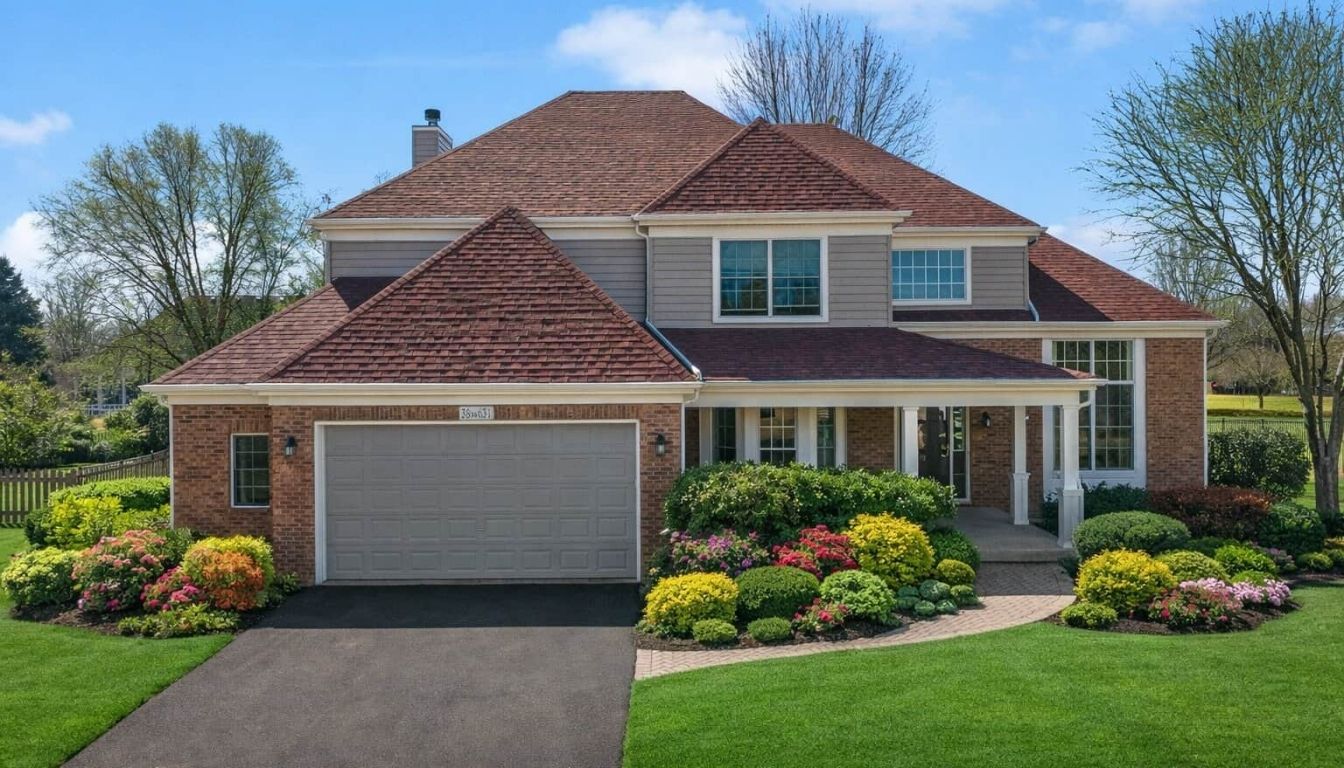
What if the biggest mistake you could make when trying to sell my home Geneva IL isn't about pricing too high or too low, but about going into the process without a clear, local strategy? It's a question worth sitting with, because Geneva's real estate market has its own rhythms, its own buyer expectations, and its own set of opportunities that a one-size-fits-all approach simply can't capture.
If you're feeling uncertain about where your home's value truly stands, or you're not quite sure what steps to take first, you're not alone. Most sellers walk into this process with more questions than answers, and that uncertainty can feel overwhelming when the stakes are this high.
This guide is here to change that. By the time you've finished reading, you'll have a clear understanding of how the Geneva market works, what it takes to price your home competitively, and how to move through each stage of the selling process with confidence. From your first home valuation to the moment you hand over the keys, consider this your complete roadmap to a smooth, rewarding sale.
Key Takeaways
- When you decide to sell my home Geneva IL, understanding the distinct stages of the local selling process — from valuation to closing — gives you a meaningful edge over sellers who go in unprepared.
- Geneva's market has its own pricing dynamics, and learning which neighborhood-specific factors influence your home's value can be the difference between a quick, profitable sale and a listing that lingers.
- Strategic home staging and targeted, cost-effective improvements can significantly boost buyer interest without requiring a major renovation budget.
- Seasonal market shifts in Geneva directly affect buyer demand and offer timelines, so knowing when to list can be just as important as how you list.
- Closing costs and final-stage negotiations can quietly erode your profits — but with the right guidance, you can anticipate these expenses and protect your bottom line.
Table of Contents
- Understanding the Home Selling Process in Geneva, IL
- Tailored Strategies for Selling Your Home in Geneva
- Preparing Your Home for Sale: Tips and Tricks
- Understanding the Local Geneva Market Trends
- Final Steps: Closing the Sale and Moving Forward
Understanding the Home Selling Process in Geneva, IL
Selling a home is one of the most significant financial decisions most people will ever make, and the process involves far more moving parts than many sellers initially expect. Before you list, before you stage, before you even think about offers, there's a structured sequence of decisions and milestones that shapes everything that follows. Understanding that sequence is your first real advantage.
Geneva's residential market has its own character. Buyers drawn to this community are often looking for something specific: established neighborhoods, access to the Fox River, top-rated schools, and the kind of walkable downtown charm that's genuinely rare in the Chicago suburbs. That means the way you position and prepare your home needs to reflect what this particular pool of buyers values, not just what works generically across Illinois.
Key Steps in Selling Your Home
The decision of when to sell is rarely just financial. Life circumstances, local inventory levels, and your personal timeline all factor in. Once you've committed to moving forward, the process typically unfolds in these stages:
- Home valuation: Establishing an accurate, defensible price based on current comparable sales in Geneva's specific neighborhoods.
- Agent selection: Partnering with a local expert who understands Geneva's micro-market dynamics, not just broad Kane County trends.
- Listing agreement: A formal contract that outlines your agent's responsibilities, the listing duration, and commission structure. Read this carefully before signing.
- Preparation and marketing: Staging, photography, and targeted outreach to qualified buyers.
- Offer review and negotiation: Evaluating terms beyond just price, including contingencies and closing timelines.
- Closing: Final paperwork, title transfer, and the handover of keys.
Choosing the right agent is arguably the most consequential step in this list. A seasoned local agent doesn't just list your home; they guide pricing strategy, manage buyer expectations, and anticipate complications before they become problems. The Kombrink Team, for example, brings deep community ties and comprehensive market reporting to every seller relationship, which means you're making decisions grounded in real Geneva data rather than guesswork.
Legal Considerations for Sellers
Illinois law requires sellers to complete a Residential Real Property Disclosure Report, which documents known material defects. Skipping this or providing incomplete information can expose you to liability long after closing. You'll also encounter title documents, transfer tax forms, and potentially HOA-related paperwork depending on your property.
Legal pitfalls often catch sellers off guard when they try to sell my home Geneva IL without professional guidance. An experienced agent and a qualified real estate attorney working together can flag issues early, whether that's an unresolved lien, a boundary dispute, or a disclosure gap. Don't treat professional advice as optional; treat it as protection for the investment you've spent years building.
Tailored Strategies for Selling Your Home in Geneva
Geneva isn't a generic suburb, and selling here shouldn't feel like a generic process. The buyers who are actively searching in this market are drawn by very specific qualities: the historic character of the neighborhoods, proximity to the Fox River trail system, the caliber of the schools, and a downtown that actually has personality. Your selling strategy needs to speak directly to those motivations, not just broadcast the basics and hope for the best.
Evaluating Your Home's Market Value
Accurate pricing is the foundation everything else rests on. A comparative market analysis, or CMA, is how you get there. This involves examining recent sales of genuinely comparable homes in Geneva, not just similar square footage, but similar lot size, condition, finishes, school district zoning, and proximity to desirable features like the Fox River or the Third Street corridor. Broad Kane County averages won't give you this level of precision.
Several factors carry significant weight in Geneva specifically:
- Neighborhood character: Homes in established, tree-lined areas with walkable access to downtown tend to command stronger interest than comparable properties on busier arterial roads.
- Condition and updates: Buyers in this market are discerning. A well-maintained home with updated mechanicals and a clean inspection history will hold its value more reliably than one with deferred maintenance, even if the square footage is identical.
- School attendance boundaries: Specific school assignments can meaningfully affect buyer demand, particularly among families relocating to the area.
- Seasonal timing: Comparable sales from six months ago may not accurately reflect today's market. Recency matters when you're building a pricing case.
A home valuation report from a knowledgeable local agent translates raw data into a clear, defensible number. It also prepares you for buyer pushback during negotiations, because you'll understand exactly why your price is positioned where it is.
Marketing Your Home Effectively
When you decide to sell my home Geneva IL, the quality of your listing presentation is the first thing buyers judge, often before they've ever set foot inside. Professional photography isn't optional at this level of the market; it's the baseline. Listings with high-quality images consistently attract more views, and more views translate directly into more showings.
Online visibility matters, but so does local reach. Social media platforms, particularly those with active neighborhood groups and community pages in the Geneva area, can put your listing in front of buyers who are already emotionally invested in the community. These aren't passive scrollers; they're people actively watching for the right home to appear.
Open houses, when executed strategically, do more than generate foot traffic. A well-timed open house in Geneva, promoted through both digital channels and local community networks, creates a sense of urgency and social proof that private showings alone can't replicate. Buyers who see others interested in a property respond differently than those who tour in isolation.
If you're ready to move from strategy to action, connecting with a team that offers comprehensive market reports and local selling expertise can make the difference between a listing that performs and one that simply sits.
Preparing Your Home for Sale: Tips and Tricks
Buyers form opinions fast. In many cases, a judgment is made within seconds of walking through the front door, sometimes even before that, standing on the porch waiting for the door to open. That first impression isn't just emotional; it directly influences how buyers perceive value and what they're willing to offer. When you're ready to sell my home Geneva IL, the preparation stage is where you either build that advantage or quietly surrender it.
Staging Your Home for Maximum Impact
Staging isn't about making your home look like a showroom. It's about helping buyers picture themselves living there, which means removing the visual noise that makes that mental leap harder.
- Declutter with intention: Clear countertops, thin out closets, and remove anything that crowds a room. Buyers open doors; they open closets. A packed closet signals storage problems even when none exist.
- Depersonalize thoughtfully: Family photos, personalized decor, and highly specific taste in artwork can pull a buyer out of the moment. Neutral doesn't mean cold; it means giving the space room to breathe.
- Work with light: Open blinds, replace dim bulbs with brighter options, and add mirrors in darker rooms. Geneva's older homes often have beautiful natural light that poor staging can completely obscure.
- Arrange furniture for flow: Pull pieces away from walls, create clear pathways between rooms, and remove anything that makes a space feel cramped. Buyers move through homes physically and emotionally; both journeys should feel easy.
Color choices matter too. Soft, warm neutrals on walls tend to photograph well and read as inviting rather than sterile. A fresh coat of paint in the right shade is consistently one of the highest-return investments a seller can make before listing.
Making Necessary Repairs and Improvements
Discerning buyers in Geneva's market notice deferred maintenance quickly, and they use it as leverage in negotiations. Addressing visible issues before listing protects your asking price and reduces the risk of surprises during the inspection period.
Start with the basics: leaky faucets, scuffed baseboards, cracked switch plates, and any door that doesn't close cleanly. These are small fixes that carry outsized psychological weight. A buyer who notices three minor issues in the first ten minutes starts mentally tallying a discount.
For larger projects, focus on improvements with clear visual payoff. Kitchen hardware updates, refreshed bathroom caulking, and refinished hardwood floors consistently attract positive buyer feedback without requiring a full renovation budget. When the scope of work moves beyond cosmetic, hiring a licensed professional isn't optional; it's the difference between an improvement that adds value and one that creates liability.
Professional photography ties all of this preparation together. Even the most beautifully staged home loses its impact in dim, poorly composed listing photos. High-quality images don't just attract more clicks; they set the tone for how buyers feel about your home before they ever schedule a showing. When you decide to sell my home Geneva IL, that visual presentation is your first negotiation, and it's one you want to win decisively.

Understanding the Local Geneva Market Trends
Geneva's real estate market doesn't move in a straight line, and sellers who treat it like it does often leave money on the table. The community's desirability is consistent, but buyer demand, inventory levels, and price sensitivity shift throughout the year in patterns that are genuinely predictable once you know what to look for. That knowledge is one of the most practical advantages you can carry into the selling process.
Analyzing Recent Sales in Geneva
Recent closed sales are your clearest window into what today's buyers are actually willing to pay, not what sellers hoped to receive, but what transactions actually closed at. Reviewing this data with a local lens matters enormously. A home that sold quickly in Geneva's central neighborhoods near downtown tells a different story than one that sat for weeks on a busier corridor further from the Fox River. Both are "Geneva sales," but they reflect very different buyer motivations and price tolerances.
When reviewing recent sales, pay attention to these patterns:
- Days on market: Homes that close quickly are usually priced accurately from the start. Extended listings often signal a pricing miscalculation that required correction, which can cost sellers negotiating leverage.
- List-to-sale price ratios: Understanding how close final sale prices land relative to original asking prices reveals how competitive the current market really is.
- Feature premiums: Certain attributes, including updated kitchens, finished basements, and proximity to Geneva's trail system, consistently attract stronger offers. Identifying these patterns helps you position your home's most compelling qualities front and center.
Preparing for Market Fluctuations
Spring remains the most active selling season in Geneva, with buyer activity typically peaking between late March and early June. Families relocating before the school year drive a meaningful portion of this demand, which means well-prepared homes listed in this window tend to attract more competitive offers. That said, fall listings shouldn't be dismissed; serious buyers who didn't find what they needed in spring are still actively searching, and they're often highly motivated.
When the market softens, buyer psychology shifts noticeably. Contingencies become more common, inspection negotiations carry more weight, and buyers take longer to commit. The sellers who navigate these conditions well are the ones who priced accurately from day one rather than testing the market at an aspirational number and reducing later. A price reduction, even a modest one, signals hesitation to buyers who are already cautious.
Local developments also shape buyer interest in ways that broader market data won't capture. Infrastructure improvements, new businesses opening along Third Street, or changes to school district boundaries can all influence how buyers perceive specific areas of Geneva. Staying connected to these shifts is part of what separates a well-informed selling strategy from a generic one.
If you're ready to sell my home Geneva IL with a strategy grounded in current, hyper-local data, request a comprehensive market report from the Kombrink Team to see exactly where your home stands today.
Final Steps: Closing the Sale and Moving Forward
You've accepted an offer, and the finish line is in sight. But the closing period, typically spanning 30 to 45 days after an accepted offer, is where deals can still unravel if you're not prepared. Understanding what happens during this window, and what's expected of you, keeps the process moving smoothly toward the outcome you've worked hard to achieve.
Navigating the Closing Process
Your agent remains your most valuable resource during this stage. They'll coordinate with the buyer's lender, the title company, and any attorneys involved to ensure every requirement is met on schedule. Illinois real estate transactions typically involve a real estate attorney on both sides, and that's genuinely worth embracing rather than viewing as extra friction. Having legal representation means someone is reviewing every document with your interests specifically in mind.
Closing documents can feel overwhelming in volume, but each one serves a clear purpose. You'll encounter the settlement statement, which itemizes every financial component of the transaction, as well as the deed transfer, title insurance documentation, and any seller concession agreements negotiated during the offer stage. Review these carefully before the closing table, not at it. Questions answered in advance don't slow anyone down; surprises discovered at signing do.
If issues arise, such as a low appraisal, an inspection dispute that resurfaces, or a title complication, stay focused on solutions rather than outcomes. Most closing-stage problems are resolvable with clear communication and a calm, practical approach. This is another area where having an experienced local agent proves its value; they've seen these situations before and know how to move through them efficiently.
Closing costs are a reality every seller should plan for before they decide to sell my home Geneva IL. Typical seller-side costs include the real estate commission, transfer taxes, title fees, and any agreed-upon credits to the buyer. These figures vary based on your sale price and negotiated terms, so reviewing your estimated net proceeds with your agent early in the process protects you from unwelcome surprises at settlement.
Preparing for Your Move
Once closing is confirmed, logistics take center stage. Start earlier than feels necessary. A realistic moving timeline accounts for packing, utility transfers, address changes, and the inevitable delays that come with coordinating multiple parties.
- Book your moving company early: Reputable movers in the greater Geneva area fill their schedules quickly, particularly during the spring and early summer peak. Securing your date as soon as your closing date is confirmed gives you the most options.
- Transfer utilities strategically: Schedule disconnection for the day after closing, not before. This protects your home's condition during final walkthroughs and avoids any gaps in coverage.
- Notify key contacts in advance: Banks, insurance providers, the postal service, and your employer all need updated address information. Building a simple checklist prevents anything from slipping through.
- Document the home's condition: A final walkthrough before handing over keys gives you a clear record of the property's state at transfer, which matters if any post-closing questions arise.
Settling into a new home takes time, and that's completely normal. Give yourself permission to adjust gradually rather than expecting everything to feel right immediately. The same thoughtful, step-by-step approach that served you well throughout the selling process applies here too.
From your first home valuation to the moment you hand over the keys, every stage of the process benefits from local expertise and clear guidance. When you're ready to sell my home Geneva IL with a team that brings both to the table, connect with the Kombrink Team for a comprehensive market report and take the first step with confidence.
Your Next Step Toward a Successful Sale Starts Here
Selling a home in Geneva takes more than a listing and a lockbox. It takes accurate pricing grounded in hyper-local data, preparation that speaks directly to what Geneva buyers value, and a clear understanding of how each stage of the process connects to the next. Those are the foundations this guide was built on.
The sellers who walk away from closing feeling genuinely satisfied are the ones who went in prepared. They understood the market, they chose the right representation, and they made decisions based on real information rather than guesswork. That outcome is entirely within reach for you too.
When you're ready to sell my home Geneva IL with a team that combines deep community roots, comprehensive home valuation reports, and a proven track record of successful sales, you don't have to figure out the next step alone.
Contact The Kombrink Team today to get started on selling your home and take the first step toward a smooth, rewarding sale with a trusted local partner by your side.
Frequently Asked Questions About Selling Your Home in Geneva, IL
What are the first steps I should take to sell my home in Geneva, IL?
Start by getting an accurate home valuation from a local agent who understands Geneva's specific neighborhoods, not just broad Kane County trends. From there, you'll want to review your home's condition, establish a realistic timeline, and discuss your goals before signing a listing agreement. Rushing past these early steps is one of the most common reasons sellers find themselves underprepared once the listing goes live.
How do I determine the right asking price for my home?
Pricing starts with a comparative market analysis that examines recently closed sales of genuinely similar homes in Geneva, factoring in neighborhood character, school attendance boundaries, condition, and proximity to desirable features like the Fox River trail system. Your agent should be able to explain every comparable used and why your price is positioned where it is. That clarity becomes your strongest tool if buyers push back during negotiations.
What repairs should I make before listing my home for sale?
Focus first on the small, visible issues that buyers notice immediately: leaky faucets, sticking doors, scuffed trim, and cracked switch plates. These minor items carry outsized psychological weight. Beyond that, prioritize improvements with clear visual payoff, such as refreshed caulking, updated hardware, and refinished hardwood floors. Save your budget for changes buyers can actually see; extensive renovations rarely return their full cost at sale.
How long does it typically take to sell a house in Geneva?
The timeline varies based on pricing accuracy, market conditions, and the time of year you list. Homes priced correctly from the start tend to attract offers within the first few weeks, while overpriced listings often sit longer and require reductions that erode buyer confidence. Spring listings generally move faster due to higher buyer demand, but well-prepared homes listed in fall can also attract serious, motivated buyers who didn't find what they needed earlier in the year.
What are the costs associated with selling a home?
Seller-side costs typically include the real estate commission, Illinois transfer taxes, title fees, and any buyer credits negotiated during the offer process. The exact figures depend on your sale price and the specific terms of your transaction. Reviewing your estimated net proceeds with your agent before you list, rather than at the closing table, gives you a realistic picture of what you'll actually walk away with and prevents unwelcome surprises at settlement.
How can I make my home more appealing to buyers?
When you decide to sell my home Geneva IL, presentation is your first negotiation. Declutter, depersonalize, and work with natural light to help buyers picture themselves in the space. A fresh coat of paint in a soft, warm neutral is consistently one of the highest-return investments you can make before listing. Professional photography ties everything together; even a beautifully staged home loses its impact in poorly composed listing images, so don't treat quality photos as optional.
What should I expect during the closing process?
Closing typically spans 30 to 45 days after an accepted offer and involves coordination between your agent, the buyer's lender, a title company, and real estate attorneys on both sides. You'll review and sign a settlement statement, deed transfer documents, and any concession agreements finalized during negotiations. Illinois real estate transactions generally involve attorney representation for both parties, which works in your favor; having someone review every document with your interests in mind is genuine protection, not just added paperwork.
Disclaimer
This article is provided for general informational purposes only and is not intended as legal, tax, financial, or mortgage advice. Real estate laws, market conditions, rates, and individual circumstances can change. Consult the appropriate licensed professional regarding your specific situation.
Enjoy this blog post? Click here to subscribe for updates
Leave A Comment